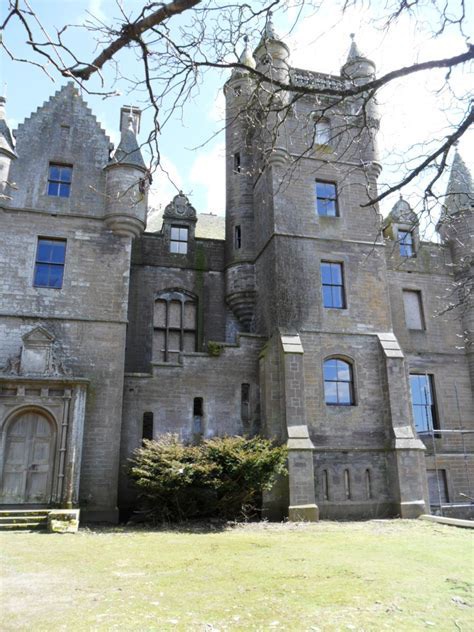
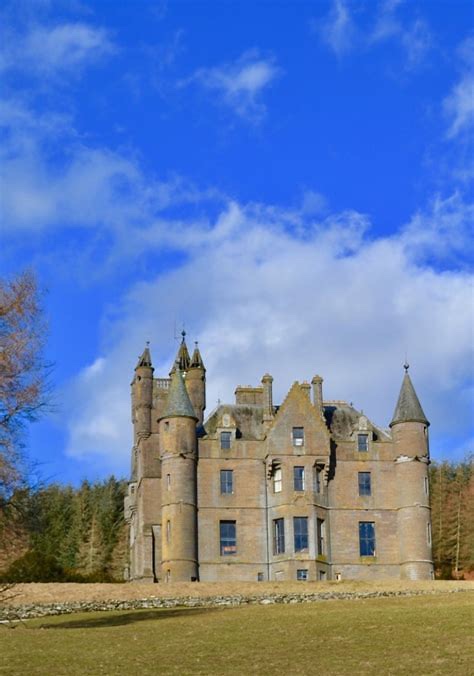
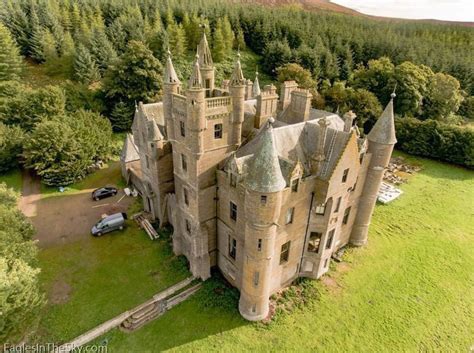
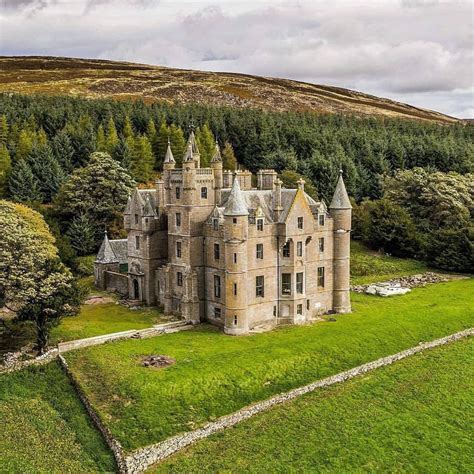
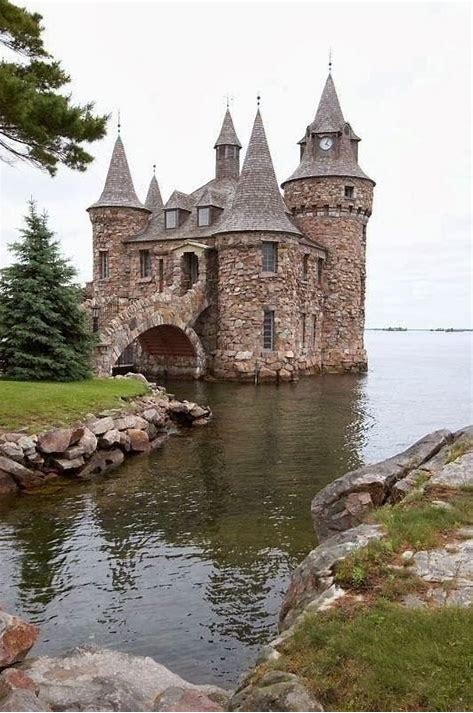
Balintore Castle is a Class A Victorian building in Scotland. The castle occupies a high place, in a marsh above the village of Balintore, a few miles north of Lake Lintrathen, near Kirriemuir, Angus.
Balintore Castle is a historic castle located near the village of Balintore in the Scottish Highlands. The castle was built in the early 18th century as a hunting lodge for the Ross family, who were prominent landowners in the area.
The castle was designed in the Scottish baronial style, with turrets, battlements, and crow-step gables, and it was constructed using local red sandstone. Over the years, the castle underwent several renovations and additions, including the addition of a tower and a ballroom.
During World War II, the castle was used as a naval training base, and after the war, it was used as a hotel and a conference center. In 2016, the castle was put up for sale and purchased by a private buyer, who has since begun a major restoration project to preserve the castle’s historic features and transform it into a private residence.
Today, Balintore Castle is a popular destination for tourists and history enthusiasts, who come to admire its impressive architecture and learn about its rich history. The castle is also surrounded by beautiful gardens and offers stunning views of the Scottish countryside, making it a popular spot for outdoor activities like hiking and birdwatching.
The Ross family, who built Balintore Castle, were a prominent Scottish family who owned large estates in the Scottish Highlands. The family’s origins can be traced back to the 14th century, when they were granted lands in the county of Ross in northern Scotland.
Over the centuries, the Ross family became one of the most powerful and influential families in the Highlands, with extensive landholdings and close ties to the Scottish monarchy. The family played a key role in the history of Scotland, with many members serving as knights, soldiers, and statesmen.
The Ross family’s association with Balintore Castle began in the early 18th century, when Sir James Ross, the 5th Baronet of Balnagowan, purchased the land on which the castle was built. Sir James commissioned the construction of the castle as a hunting lodge and country retreat, and it remained in the Ross family’s ownership for several generations.
During World War II, the Ross family leased the castle to the Royal Navy, who used it as a training base for naval personnel. After the war, the castle was used as a hotel and conference center before being sold to a private buyer in 2016.
Today, the Ross family continues to be a prominent presence in the Scottish Highlands, with many descendants still living in the area and actively involved in local affairs. The family’s legacy is also preserved in the many historic landmarks and cultural institutions they helped to create, including Balintore Castle and the Ross and Cromarty Heritage Society, which works to preserve the region’s rich history and traditions.
The Ross and Cromarty Heritage Society is a non-profit organization dedicated to preserving the history and cultural heritage of the Scottish counties of Ross-shire and Cromartyshire, which were merged into the modern administrative area of Ross and Cromarty. The society’s mission is to promote public awareness and appreciation of the region’s rich history and traditions, and to encourage the preservation and protection of its historic landmarks and cultural artifacts.
The society works to achieve its mission through a variety of activities and initiatives, including organizing lectures, talks, and educational programs on local history and heritage, supporting research and scholarship on the region’s history, and collaborating with other organizations to promote the preservation of historic buildings, monuments, and landscapes.
The society also maintains an archive of historical documents, photographs, and artifacts related to the region’s history, which is open to researchers and the general public. Through these activities, the Ross and Cromarty Heritage Society seeks to celebrate and promote the unique cultural heritage of Ross-shire and Cromartyshire, and to ensure that future generations can appreciate and learn from this rich legacy.