Megafloods are rare, but when they occur, they can reshape landscapes and leave behind remarkable evidence of their destructive power. Here are some notable examples:
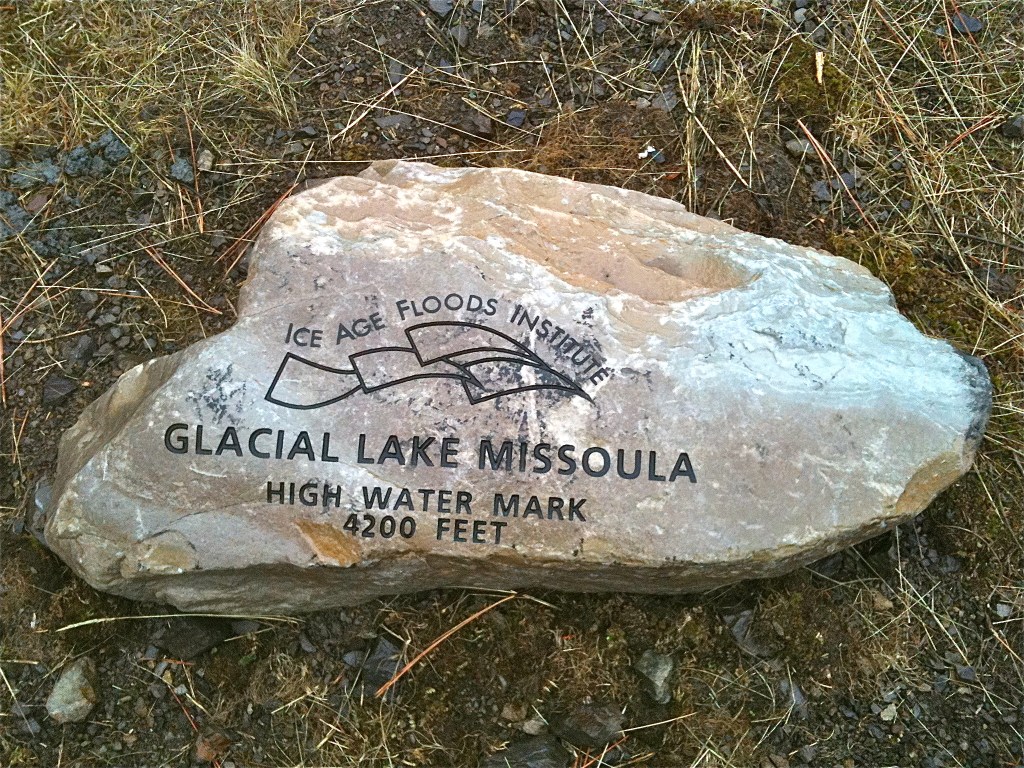
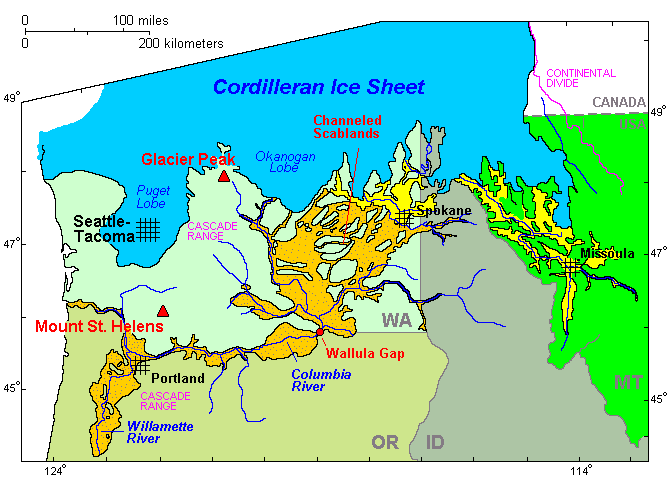
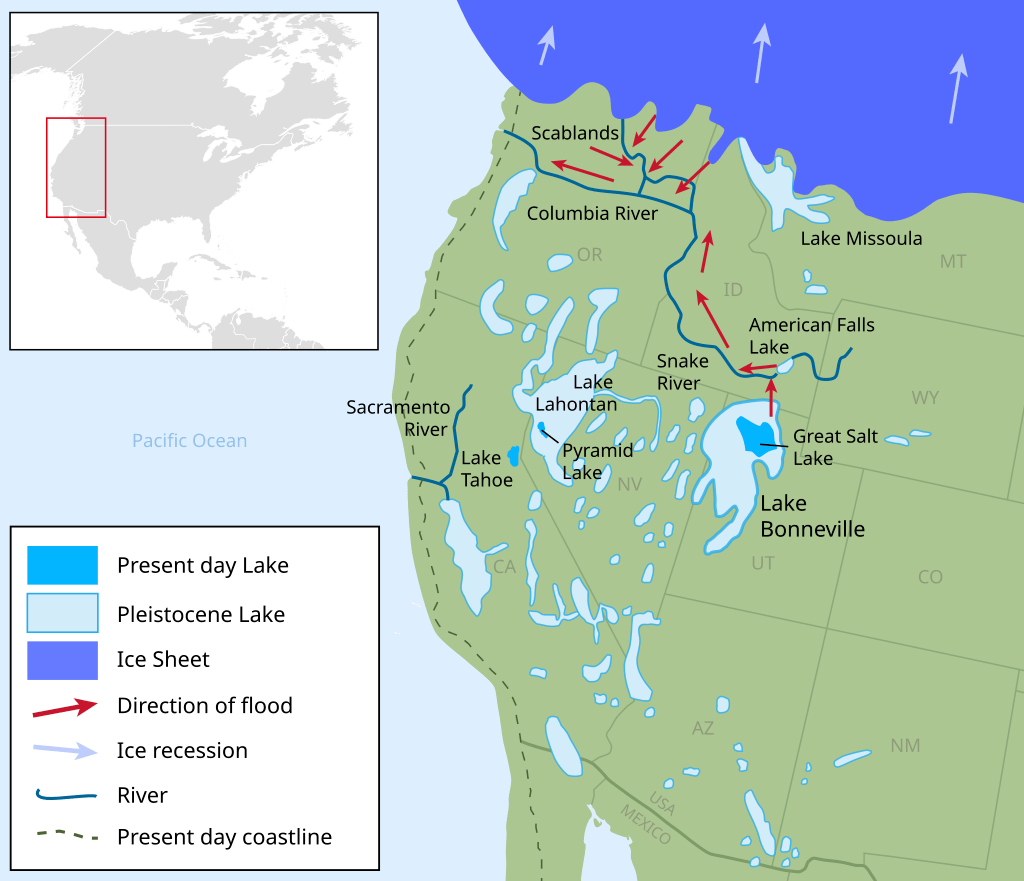
- The Missoula Floods:
- Location: Eastern Washington, USA, and parts of Idaho and Oregon
- Time Period: Approximately 15,000 to 13,000 years ago during the Pleistocene epoch
- Cause: Repeated failure of an ice dam that formed Glacial Lake Missoula
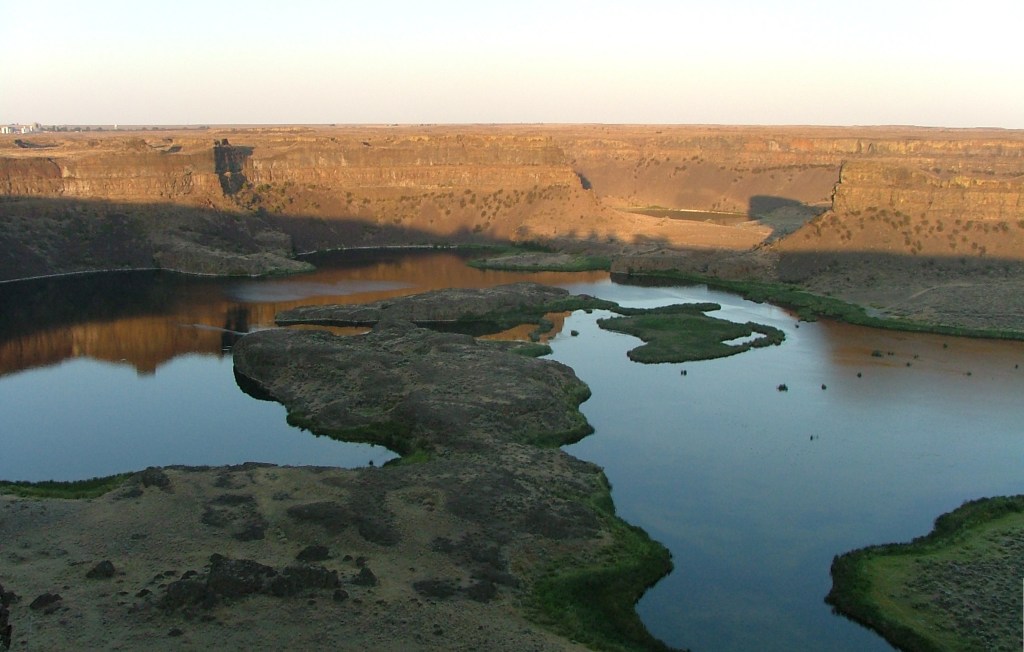
- Evidence: Channeled Scablands, giant ripple marks, erratic boulders, dry waterfalls, and massive gravel bars
- Magnitude: Peak discharge of the largest flood estimated at 17 million cubic meters per second (600 million cubic feet per second), ten times the combined flow of all the rivers in the world today.
- Sources:
- U.S. Geological Survey (USGS)
- Ice Age Floods Institute
- “The Channeled Scablands of Eastern Washington: The Geologic Story of the Spokane Flood” by Bruce Bjornstad
- The Bonneville Flood:
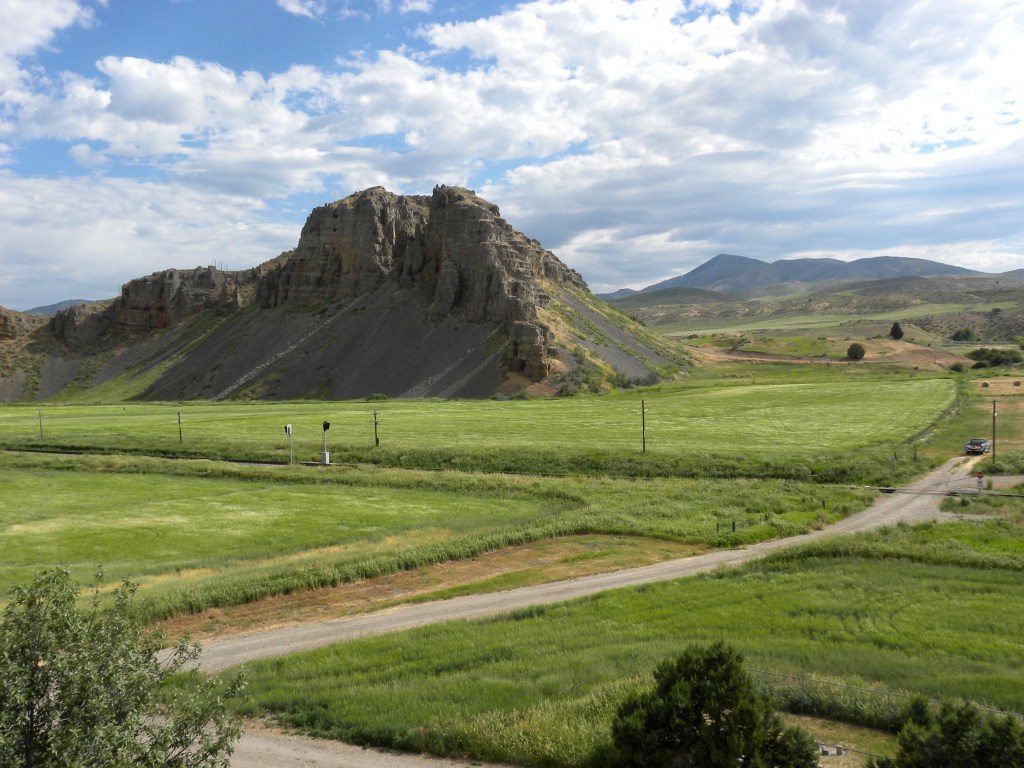
- Location: Eastern part of the Great Basin in the western United States, particularly Utah and parts of Nevada and Idaho
- Time Period: Approximately 14,500 years ago
- Cause: The collapse of a natural dam formed by a landslide, releasing the waters of Lake Bonneville
- Evidence: Shorelines of Lake Bonneville, large gravel bars, and giant ripple marks
- Magnitude: Peak discharge estimated at 1 million cubic meters per second (35 million cubic feet per second)
- Sources:
- Utah Geological Survey
- “Ancient Floods, Modern Hazards: Principles and Applications of Paleoflood Hydrology” by Victor R. Baker
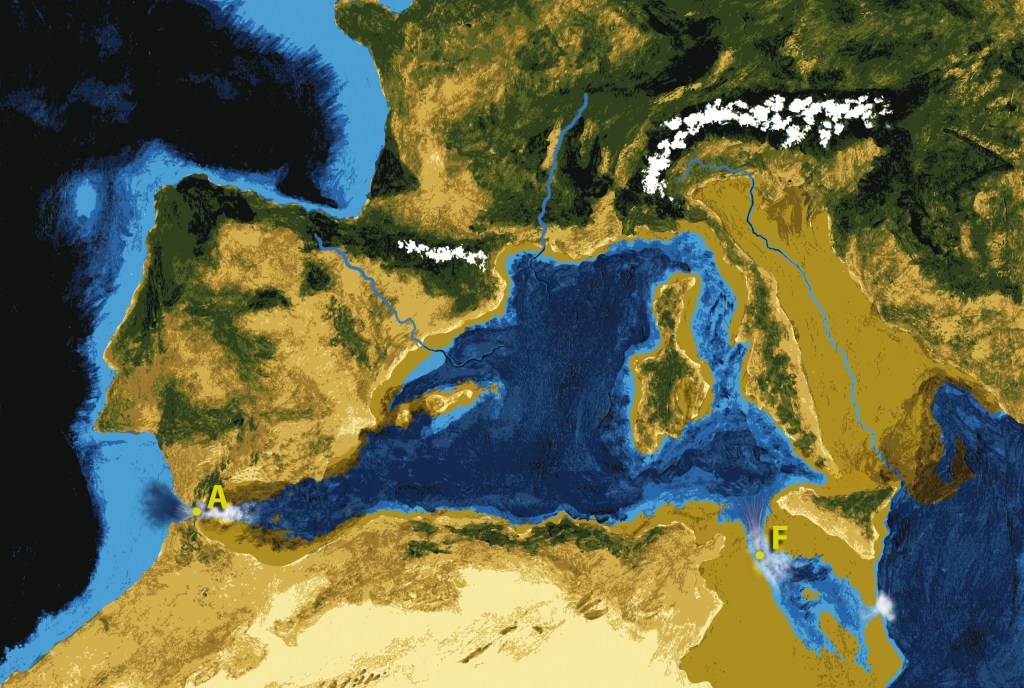
- The Zanclean Flood:
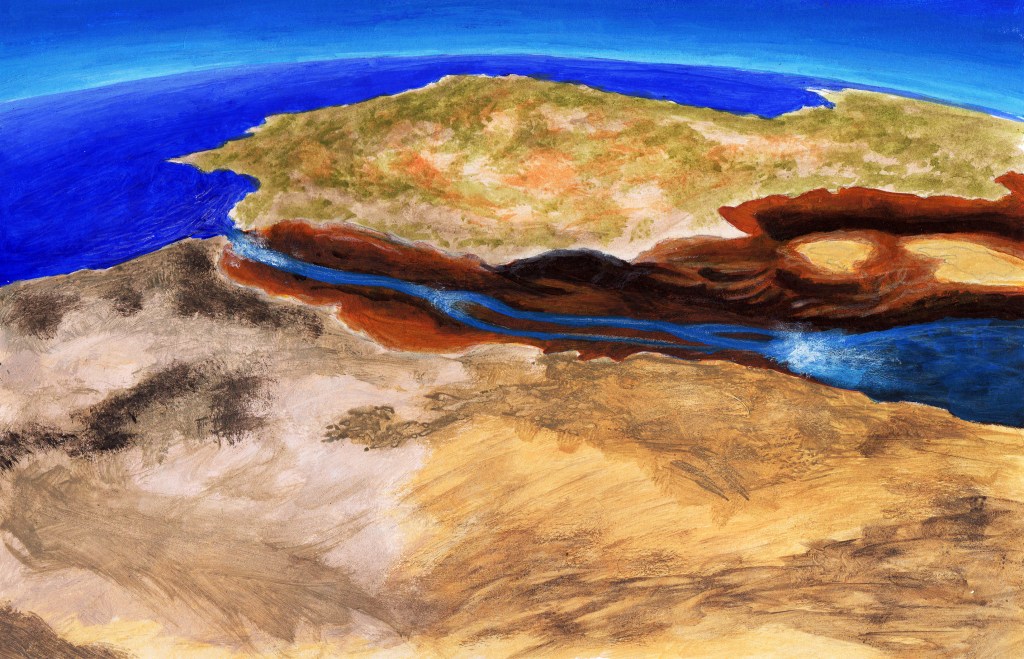
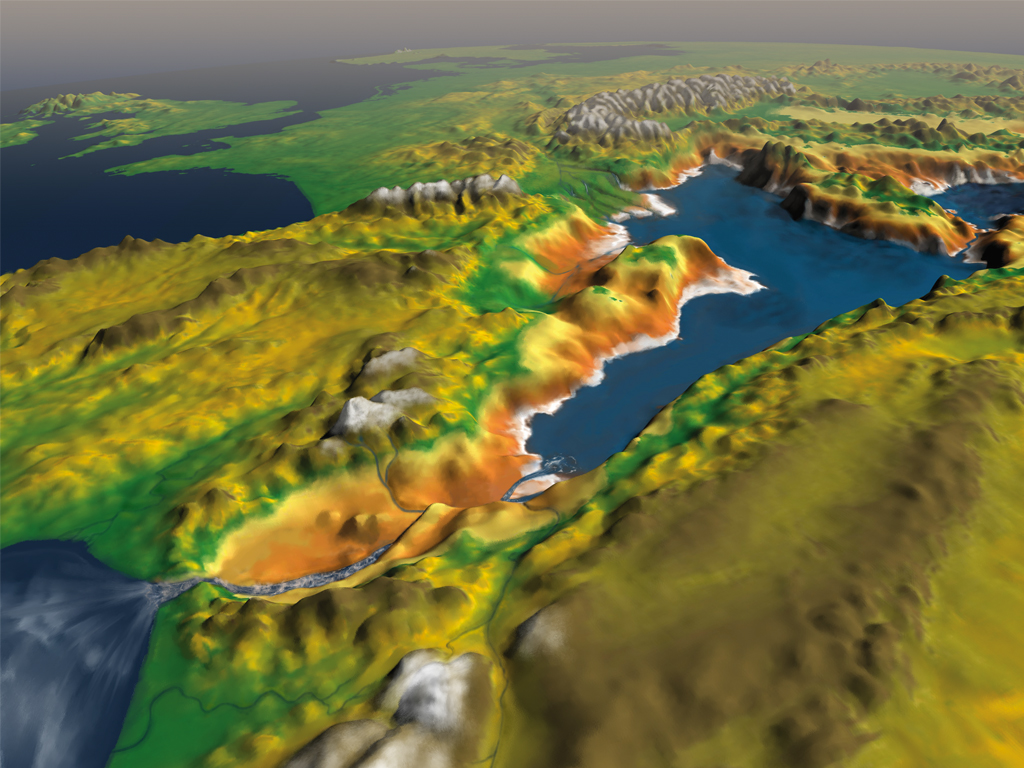
- Location: Strait of Gibraltar, connecting the Atlantic Ocean and the Mediterranean Sea
- Time Period: Approximately 5.3 million years ago
- Cause: A breach in the geologic barrier that separated the Atlantic Ocean and the Mediterranean Sea
- Evidence: Erosional features on the seafloor of the Strait of Gibraltar, sedimentary deposits indicating rapid influx of water
- Magnitude: Estimated to have filled the Mediterranean Basin within a few years, with a peak flow rate of up to 100 million cubic meters per second (3.5 billion cubic feet per second)
- Sources:
- MBARI (Monterey Bay Aquarium Research Institute)
- “The Zanclean megaflood: The largest flood in the history of Earth?” by Daniel Garcia-Castellanos et al.
These are just a few examples of megafloods that have occurred throughout Earth’s history. The study of these events provides valuable insights into the forces that shape our planet and the potential for extreme hydrological events.
By analyzing the geological evidence left behind by these floods, scientists can better understand their causes, magnitudes, and impacts. This knowledge can then be used to assess the risk of future floods and to develop strategies for mitigating their potential consequences.








Leave a Reply